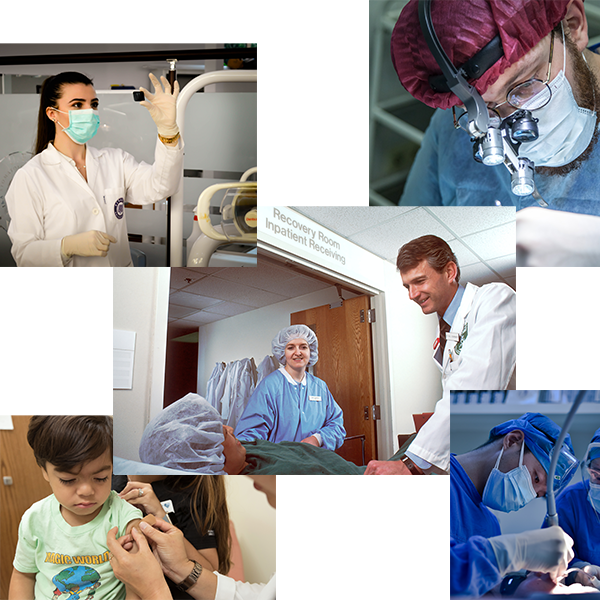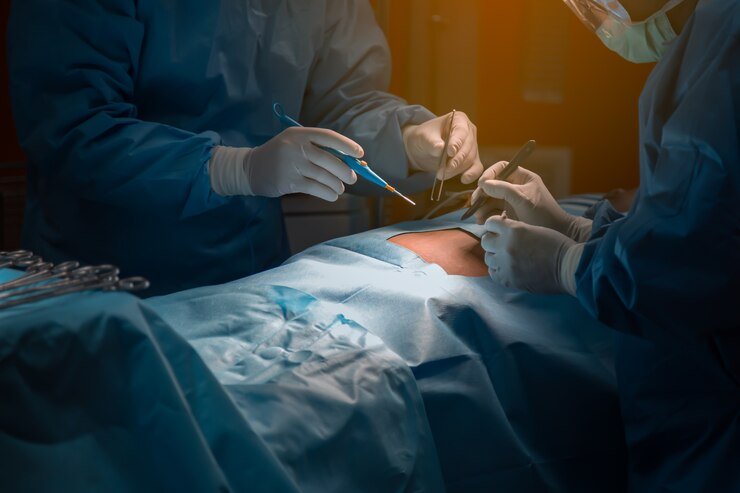
A hernia occurs when an internal organ or fatty tissue squeezes through a weak spot in the surrounding muscle or connective tissue. Because hernias are physical defects in the muscle, they do not heal on their own and typically grow larger or more painful over time. Surgical intervention is recommended to alleviate discomfort and prevent serious complications like tissue incarceration or strangulation
Hernia operations can be performed using different surgical approaches,depending on the size and location of the hernia, as well as the patient’s overallhealth.
The surgeon makes a single incision near the hernia site to
directly access and repair the weakened area. This approach may involvestitches (primary closure) or the placement of a mesh patch to reinforce the
muscle wall.
A minimally invasive technique where the surgeon makes several small incisions rather than one large cut. A thin, lighted tube with a camera (laparoscope) is inserted to guide the repair, often resulting in less postoperative pain and a faster return to normal activities.
Similar to laparoscopic surgery, this highly advanced technique provides the surgeon with a 3D view and enhanced precision using robotic arms.
Procedures are most frequently performed under general anesthesia, though spinal or local anesthesia may be used depending on the patient and hernia type.
A standard hernia repair typically takes between 30 minutes to two hours.
Many hernia repairs are completed as outpatient surgeries, allowing patients to return home the same day. The average recovery period ranges from 3 to 6 weeks, during which patients should avoid strenuous activity and heavy lifting
Copyright@ 2026 All Rights Reserved Shanscare.All rights reserved. Designed By ITINFOSTAR