
TOP

What Is Breast Cancer?

While breast cancer primarily affects women, it can occur in men as well. It occurs when genetic mutations cause cells to grow and divide uncontrollably. If left untreated, these cells can invade surrounding healthy tissue or spread (metastasize) through the blood and lymph vessels to other parts of the body.

Key Signs and Symptoms

Being familiar with the normal look and feel of your breasts is vital for early detection. You should consult a medical professional if you notice any of the following changes:

Risk Factors

While having risk factors does not guarantee you will get breast cancer, it is important to be aware of them. The primary factors include:

  • Age

    The risk increases as you get older, with most cases diagnosed after age 50.

  • Genetics

    Inherited mutations in genes like BRCA1 and BRCA2 significantly elevate the risk of breast cancer.

  • Family History

    Having a first-degree relative (mother, sister, daughter) with breast or ovarian cancer increases risk.

  • Breast Composition

    Women with dense breast tissue have a higher risk.

  • Hormonal and Reproductive History

    Extended exposure to estrogen—such as starting menstruation early or experiencing menopause late—can play a role.

Diagnosis and Treatment

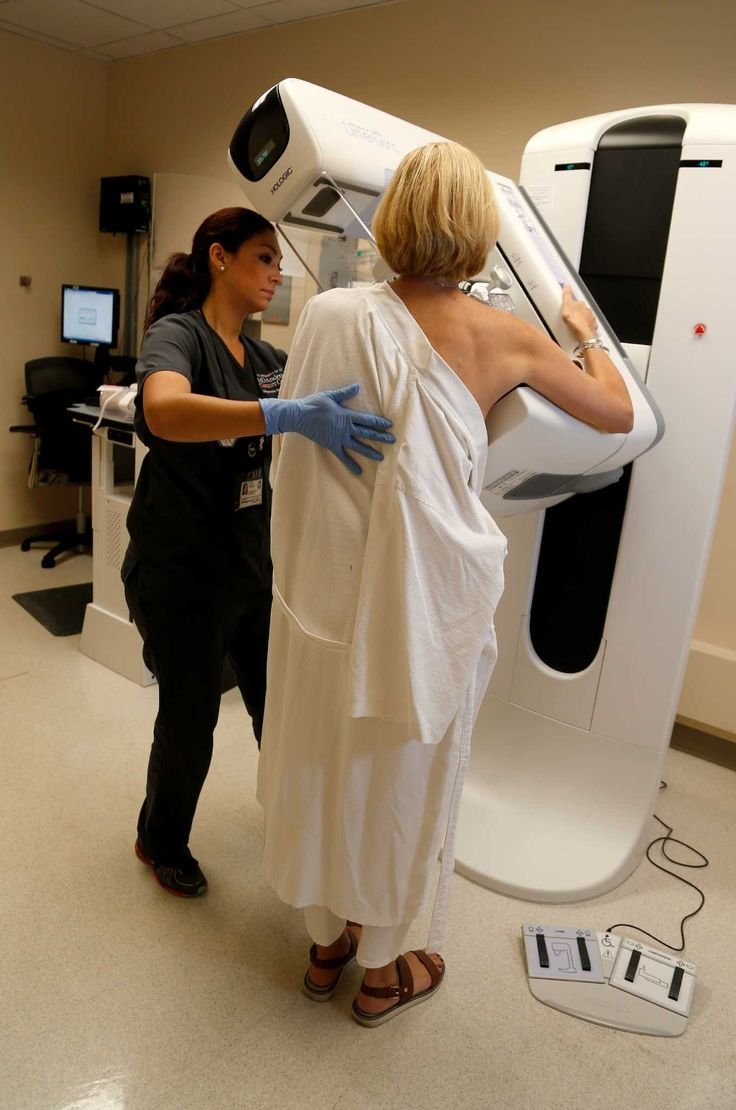
  Screening is the most effective way to catch breast cancer early, often before any symptoms develop. Standard diagnostic tools include mammograms, breast ultrasounds, and MRIs.

Treatment plans depend on the type, stage, and biology of the cancer, and are tailored to each patient. Common treatments include:

  • Surgery

    Options range from breast-conserving surgery (lumpectomy) to the removal of the entire breast (mastectomy).

  • Radiation Therapy

    Using high-energy rays to kill remaining cancer cells.

  • Chemotherapy

    Medication to destroy fast-growing cancer cells throughout the body.

  • Hormone Therapy

    Drugs designed to block hormones that fuel certain types of breast cancer.

  • Targeted and Immunotherapies

    Treatments that specifically target cancer cell proteins or utilize the body's immune system.