Liver Cancer
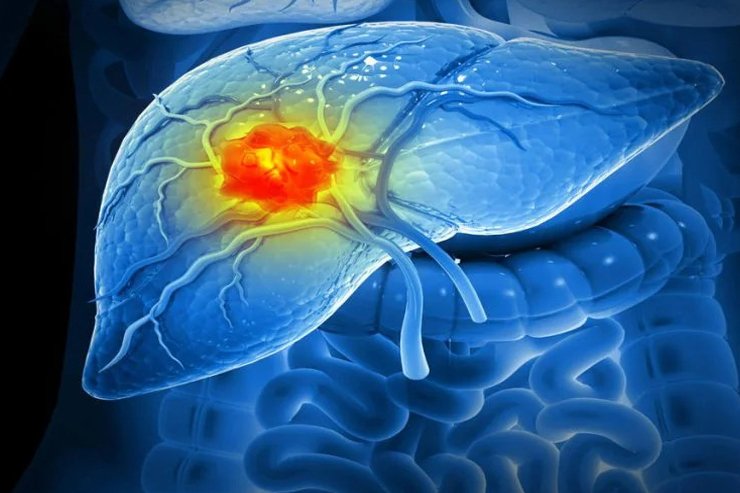
Liver cancer originates when abnormal cells start growing uncontrollably within
the liver. The most common primary type is Hepatocellular Carcinoma
(HCC), which begins in the main liver cells known as hepatocytes. Because
early stages rarely produce symptoms, it is crucial to recognize risk factors and
subtle warning signs.
Signs & Symptoms
- Jaundice: Yellowing of the skin and the whites of the eyes.
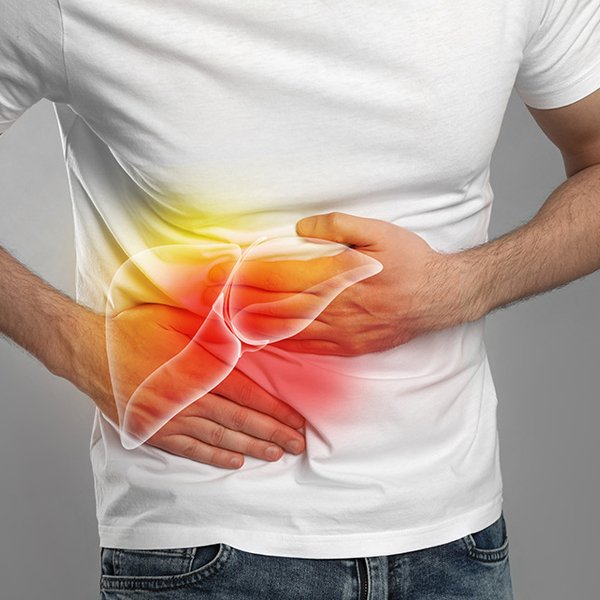
- Abdominal Changes: Swelling, a hard lump just below the rib cage on the right side, or a feeling of being full after eating very little.
- Unexplained Weight Loss: A sudden drop in body weight or loss of appetite.
- General Discomfort: Pain in the upper right abdomen or near the right shoulder blade.
- Fatigue: Unusual tiredness, nausea, or general weakness
Types of Liver Cancer
Hepatocellular Carcinoma (HCC)
Accounts for about 75% of primary liver
cases and usually develops in individuals with chronic liver disease or cirrhosis.
Intrahepatic Cholangio carcinoma
Starts in the small bile ducts within the
liver.
Secondary Liver Cancer
Occurs when cancer from another part of the body
(such as the colon or breast) metastasizes (spreads) to the liver.
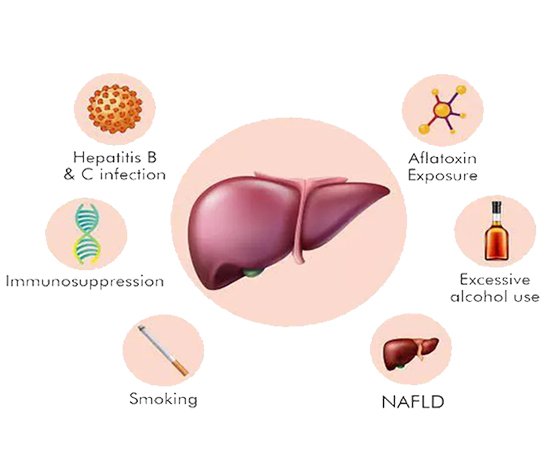
Common Risk Factors
-
Chronic Infections
Long-term Hepatitis B or Hepatitis C virus infections.
-
Cirrhosis
Scarring of the liver tissue, which is often caused by chronic hepatitis, heavy alcohol consumption, or fatty liver disease.
-
Metabolic Conditions
Obesity, Type 2 diabetes, and non-alcoholic fatty liver disease (NAFLD).