TOP

What is Cervical Cancer?

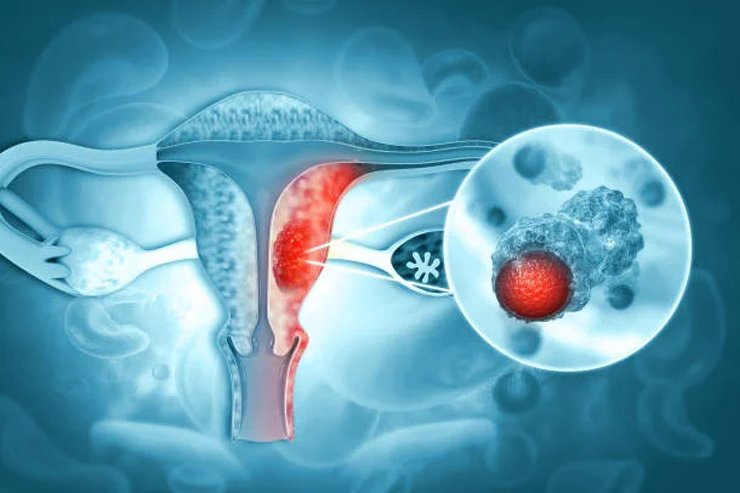
Cervical cancer typically develops very slowly over several years. It usually begins as precancerous cell changes (dysplasia) in the transformation zone of the cervix where different cell types meet. If these abnormal cells are not removed or destroyed, they can progress into cancer. 

Two Main Types of Cervical Cancer

Squamous cell carcinomas

Originating in the thin, flat cells on the outer
surface of the cervix. This accounts for the vast majority of cases.

Adeno carcinomas

Developing in the glandular cells that produce mucus on
the inner lining of the cervical canal.

Robotic Surgery

Similar to laparoscopic surgery, this highly advanced technique provides the surgeon with a 3D view and enhanced precision using robotic arms.

Prevention, Screening, and Treatment

  • Prevention (HPV Vaccines)

    The HPV vaccine provides highly effective protection against cancer-causing strains of the virus. It is recommended for children and young adults prior to any potential HPV exposure.

  • Routine Screening

    Regular cervical cancer screenings—such as a Pap smear (cervical cytology) or an HPV DNA test—allow doctors to detect and treat precancerous cells before they ever become malignant.

  • Treatment Options

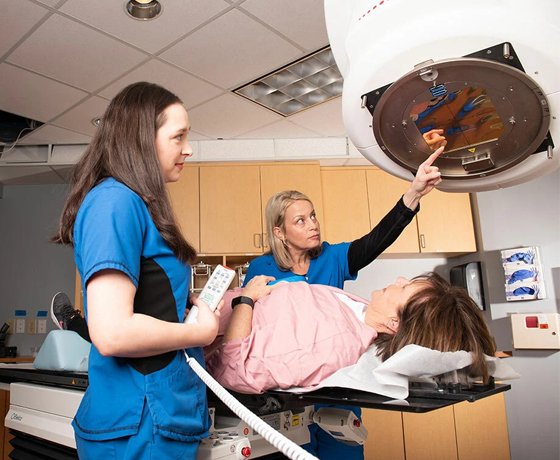
    If precancerous or cancerous cells are found, treatments can range from minor in-office procedures for pre-cancers to surgery, radiation therapy, and chemotherapy for more invasive stages.