Cholecystectomy
Why the Procedure is Performed
Your gallbladder is not essential for survival or healthy digestion. When the gallbladder becomes diseased, it is often removed to alleviate pain and prevent serious complications. Common reasons for the surgery include:
- Cholelithiasis: Gallstones blocking the bile ducts.
- Cholecystitis: Inflammation or swelling of the gallbladder.
- Biliary Dyskinesia: Improper functioning of the gallbladder.
- Pancreatitis: Inflammation of the pancreas caused by gallstones.
Surgical Approaches
1. Laparoscopic Cholecystectomy
This is the most common and minimally invasive approach worldwide.
- The Process: Under general anesthesia, the surgeon makes three to four tiny keyhole incisions in the abdomen.
2. Open Cholecystectomy
In some cases—such as severe inflammation, scarring from previous abdominal surgeries.
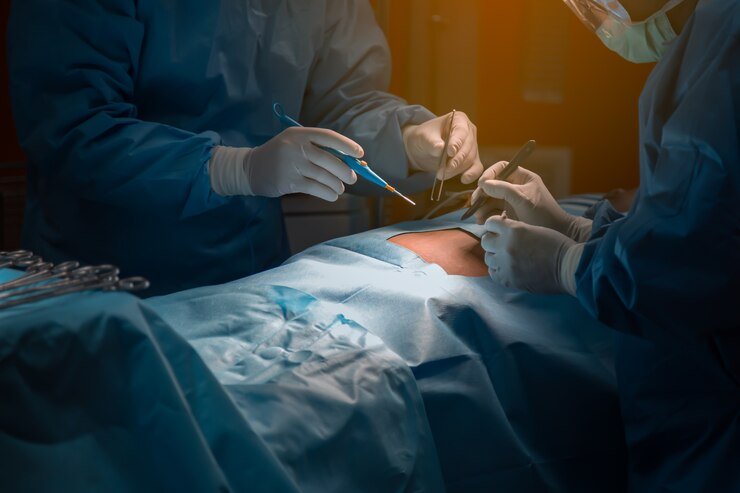
- The Process: A 4 to 6-inch incision is made in the upper right side of the abdomen, just below the ribs. The surgeon manually locates and extracts the gallbladder.
Laparoscopic Recovery
Many patients are discharged on the very same day as the procedure. Normal activities can often be resumed within a week or two.
Open Recovery
Patients typically stay in the hospital for a few days and may require several weeks for a full recovery
Robotic Surgery
Similar to laparoscopic surgery, this highly advanced technique provides the surgeon with a 3D view and enhanced precision using robotic arms.
What to Expect Post-Surgery
-
Temporary adjustment
For the first few weeks, it is normal to experience a temporary adjustment period as your digestive system adapts. Your surgeon may advise gradually reintroducing heavier or fatty meals to avoid mild discomfort, gas, or indigestion.
-
SEO and patient resources
Would you like help outlining specific sections for a particular audience, or do you need content tailored to SEO and patient resources? Let me know how to best format this for your site!