Lymph Node Biopsy
Why the Procedure is Performed
Your healthcare team may recommend a lymph node biopsy to:
- Diagnose Cancer: Determine if cancer has spread to the lymph nodes or identify the specific type of cancer.
- Identify Infections: Find the cause of prolonged or unexplained swelling.
- Monitor Conditions: Assess how well a treatment for an autoimmune condition or infection is working.
Types of Lymph Node Biopsies
The surgical approach depends on the location and size of the lymph node.
Needle Biopsy
The surgeon uses a thin, hollow needle (or a core needle) to extract a small sample of fluid or tissue. It is often performed under local anesthesia, sometimes guided by ultrasound.
Open (Excisional/Incisional) Biopsy
A minor surgical cut is made in the skin to remove either a part or the entirety of the lymph node. This is typically performed as an outpatient procedure using either local or general anesthesia.
Sentinel Lymph Node Biopsy
Used mostly in cancer staging. A radioactive tracer or blue dye is injected near the tumor site to trace which lymph node the cancer cells would spread to first. The surgeon then removes and tests that specific node.
What to Expect
-
Preparation
Patients may be advised to fast for a few hours before the surgery and to temporarily stop taking blood-thinning medications to prevent excess bleeding.
-
The Procedure
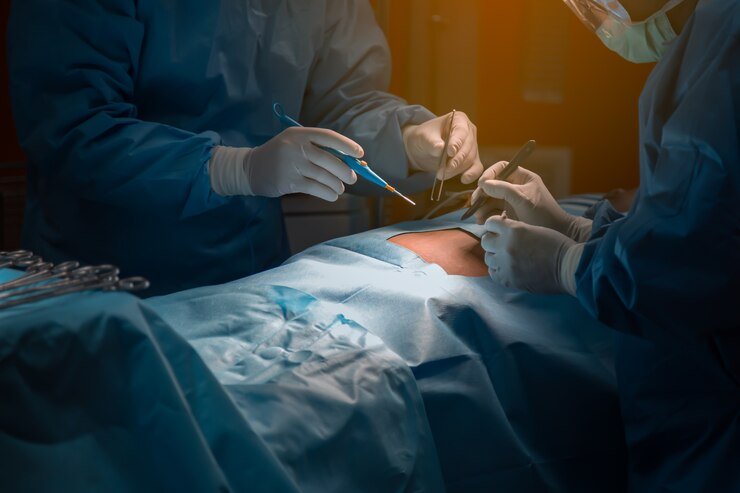
The area is thoroughly cleaned and numbed. Depending on the biopsy type and location, you may be fully asleep under general anesthesia or given a local anesthetic. The surgeon makes a small incision, removes the tissue, and closes the wound with stitches.
-
Recovery
Most procedures take between 10 to 45 minutes. Because it is largely an outpatient surgery, patients can usually return home the same day. You may experience mild soreness, bruising, or numbness at the incision site.