Ovarian Cysts
Why the Procedure is Performed
Doctors generally advise surgical removal in the following situations:
- The cyst is large (typically larger than 5–8 cm) or continues to grow.
- It causes persistent pelvic pain, bloating, or pressure on the bladder.
- There is a risk of complications, such as a twisted ovary (ovarian torsion).
- Imaging suggests the cyst may be malignant (cancerous)
Surgical Approaches
Depending on the size, type of cyst, and ultrasound results, your gynecologist will recommend one of the following approaches.
Laparoscopic Ovarian Cystectomy
This is the most common and minimally invasive approach.
- The Process:The surgeon makes a few tiny incisions in the lower abdomen
(often near the belly button). A laparoscope (a thin, lighted tube with a camera)
is inserted to provide a clear view of the pelvis. The surgeon carefully extracts
the cyst while leaving the healthy ovary intact.
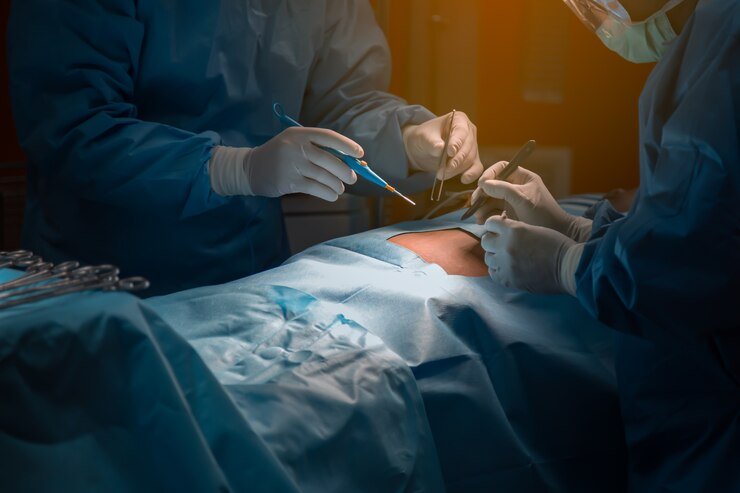
Laparotomy (Open Surgery)
This traditional approach may be necessary for complex cases.
- The Process:The surgeon makes a single, larger incision in the abdomen to
gain direct access to the ovary. This is generally used if the cyst is very large,
there are complications, or if there is a suspicion of cancer requiring an
Oophorectomy (removal of the entire ovary)
Robotic Surgery
Similar to laparoscopic surgery, this highly advanced technique provides the surgeon with a 3D view and enhanced precision using robotic arms.
What to Expect During Recovery
-
Immediate Post-Op
You may experience mild soreness around the incision sites. If you had laparoscopic surgery, residual gas used during the procedure may cause temporary shoulder or back discomfort.
-
Downtime
Rest is crucial in the first week. Patients are advised to avoid strenuous exercise, heavy lifting, and sexual intercourse until cleared by their doctor (typically after 2–6 weeks).